Discover the Historic Places of Kodaikanal
History of Kodaikanal
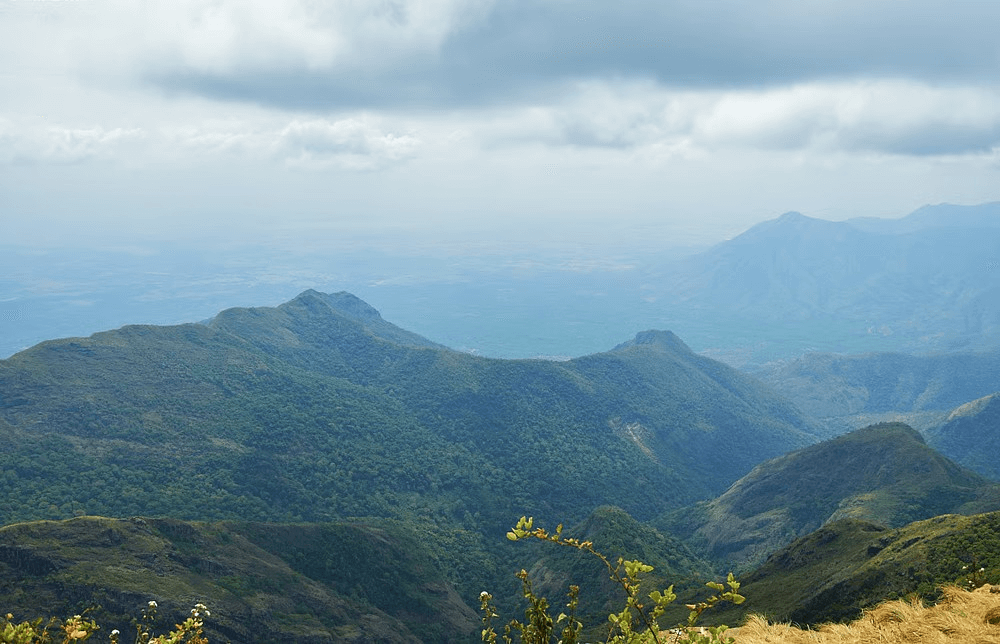
Kodaikanal, known as the "Princess of Hill Stations," was founded in 1845 by American missionaries and British officials. They sought a cool retreat from the heat of the plains, and the Palani Hills provided the perfect refuge. Its name means "Gift of the Forest" in Tamil.
The town became famous for its star-shaped man-made Kodai Lake, colonial architecture, pine forests, and the legendary Kurinji flowers that bloom once every 12 years. Over time, it has grown into one of South India’s most popular hill stations, blending history, culture, and natural beauty.
Coaker’s Walk
Constructed in 1872 by Lt. Coaker, this pedestrian path stretches for about 1 km along the edge of steep slopes. It provides panoramic views of valleys and villages below, and on clear days, visitors can even spot Madurai in the distance.
Famous for sunrise and misty walks, it remains a must-visit for nature lovers and photographers alike.
Bryant Park
Named after H.D. Bryant, a British forest officer, this 20-acre botanical park was established in 1908. It houses over 325 species of trees, shrubs, and cacti, along with a special greenhouse of exotic plants.
The annual flower show in May attracts thousands of tourists, making it one of the most vibrant places in Kodaikanal.
Pillar Rocks
Three giant granite pillars, each rising 400 feet, dominate the landscape. Shrouded often in mist, these rocks symbolize the rugged beauty of Kodaikanal.
A small park nearby offers a romantic setting, making it a favorite for couples and photographers.
Silver Cascade Falls
This 180-foot waterfall is the first sight to greet visitors as they enter Kodaikanal. It is formed by the outflow of Kodai Lake, creating a sparkling cascade that is refreshing and scenic.
The spot has been a landmark for travelers for decades, offering a refreshing pause on the journey.
Guna Caves (Devil’s Kitchen)
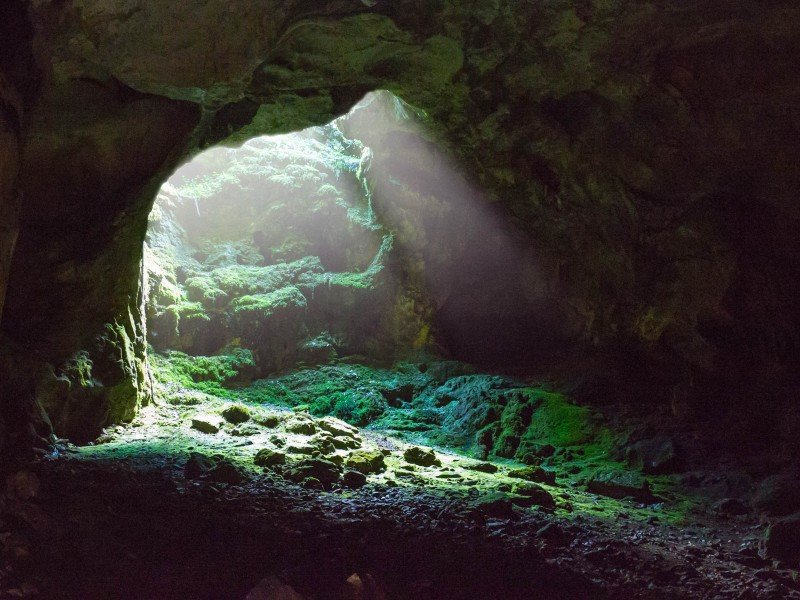
Located near Pillar Rocks, these caves were once a hunting ground for tribal people. They gained fame after featuring in the Tamil movie "Guna".
The caves are mysterious, often fog-covered, and surrounded by pine forests, making them a thrilling yet restricted site.
Kurinji Andavar Temple
Dedicated to Lord Murugan, this temple is associated with the rare Kurinji flower, which blooms once every 12 years. The temple also offers stunning views of the Palani Hills and Vaigai Dam.
It stands as a cultural and spiritual landmark in Kodaikanal.

Upper Lake View
Upper Lake View in Kodaikanal is a serene viewpoint nestled amidst the picturesque landscape, offering a tranquil escape for nature lovers and photography enthusiasts. It provides a stunning vantage point overlooking the star-shaped Kodaikanal Lake and its lush green surroundings.A vantage point offering panoramic views of Kodai Lake shaped like a star. It is one of the most photographed spots in Kodaikanal.
Rose Garden
Home to hundreds of rose varieties, this garden is a floral paradise, especially during summer. A colorful retreat for flower lovers.
Moier Point
Moir Point is named after Sir Thomas Moir, an engineer who laid the foundation for the Goschen Road, also known as the Forty Mile Road, in 1929. The presence of a monument and a pillar at the point commemorates this historical event, making it an important viewpoint in Kodaikanal.

Pine Forest
Planted in the early 1900s by British officials, the tall pine trees create a magical atmosphere, often seen in movies. A favorite for photographers and nature lovers.
Green Valley View (Suicide Point)
Once known as Suicide Point,Suicide Point is positioned closely to ‘Kodaikanal Lake’, and attracts hoards of travelers and local residents that flock here to enjoy its panoramic spectacles of leafy valleys and pine-fringed hillocks. Vaigai Dam is clearly visible on a sunny day. Its a place most frequented by nature enthusiasts and those that love trekking amidst dazzling greens and foggy hills. this viewpoint offers a dizzying drop and a breathtaking view of the Vaigai Dam and surrounding valleys.
Golf Club
Founded in 1895, this is one of the oldest golf clubs in India. Surrounded by scenic hills, it reflects the colonial charm of Kodaikanal.
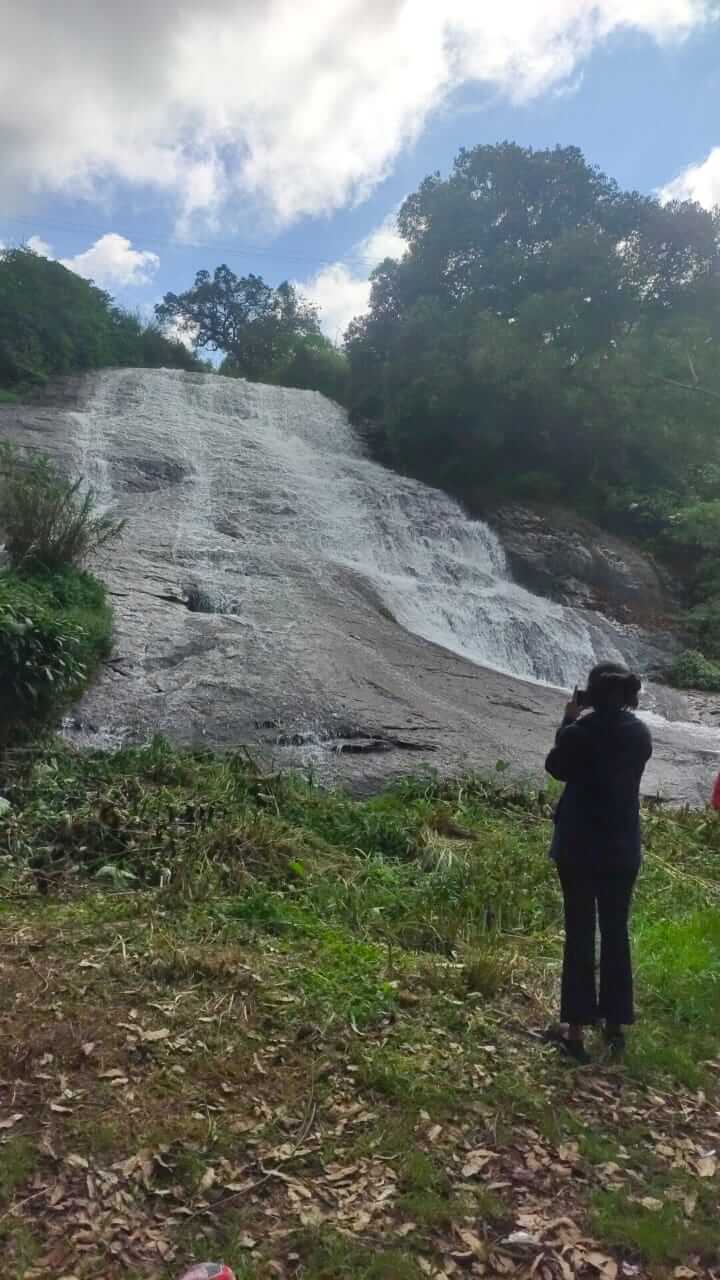
Pambar Falls
Also known as the 'Grand Cascade' and situated at a distance of 4 km from the Kodaikanal Bus Station, the Pambar Falls are formed by the town reservoir flowing towards the south and forming the Fairy Falls which further continue to join the Vaigai River. The falls can be reached by following a steep and slippery path from behind the Pambar house. A zig-zag stream flows down the Pambar Ravine which falls over some slippery rocks during its twisty course. A pond-like formation is formed at the bottom which is perfect for bathing as well as swimming, and as you go downstream, you will witness three to four more adjacent falls.
Kodai Lake
Constructed in 1863 by Sir Vere Henry Levinge, this man-made star-shaped lake is the heart of Kodaikanal. Boating, cycling, and horse riding are popular activities here.

